Starting treatment for Pectus Excavatum is an important step toward improving both physical health and self-confidence. As you research non-surgical options, one very practical question almost always comes up:
What size Vacuum Bell do I need?
Online, you will find references to different diameters such as 16 cm, 19 cm, or 26 cm, and it is completely normal to feel unsure. Choosing the wrong size can reduce the effectiveness of the treatment or cause unnecessary discomfort to the skin, ribs, or surrounding tissues.
This article explains how Vacuum Bell sizes work from an educational perspective, so you can better understand the recommendation made by your doctor. However, the final decision must always be made by a qualified medical specialist.
Important Medical Disclaimer: This article is for informational purposes only. The Vacuum Bell is a medical device, and its use, pressure settings, and size selection must be prescribed and supervised by a thoracic surgeon or qualified medical professional. Do not self-diagnose or self-treat.
The Key Concept: A “Bridge,” Not a “Plug”
One of the most common misconceptions is believing that the Vacuum Bell should be the same size as the chest indentation itself. That is not how it works.
For the Vacuum Bell to be effective, it must act like a bridge.
- The silicone rim needs to rest on the solid, elevated rib areas surrounding the depression.
- It should not sink into the hollow of the chest.
If the device is too small and sits inside the “valley” of the chest, it will mainly pull on skin and soft tissue instead of creating the mechanical leverage needed to lift the sternum. Correct sizing allows the device to distribute pressure evenly and safely over stable bone structures.
[ REQUEST OFFICIAL VACUUM BELL HERE ]
Detailed Guide to Vacuum Bell Models and Sizes
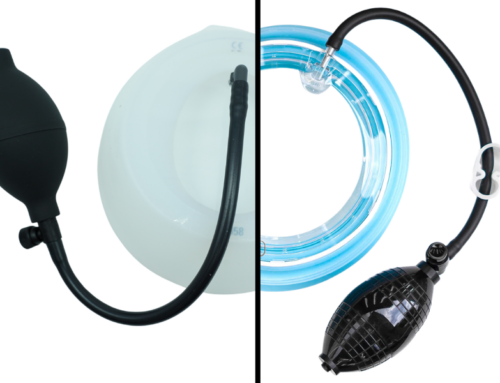
Every patient’s chest anatomy is unique, but the official Vacuum Bell comes in five specific versions, always delivered under medical prescription. Understanding these models will help you discuss options with your doctor.
-
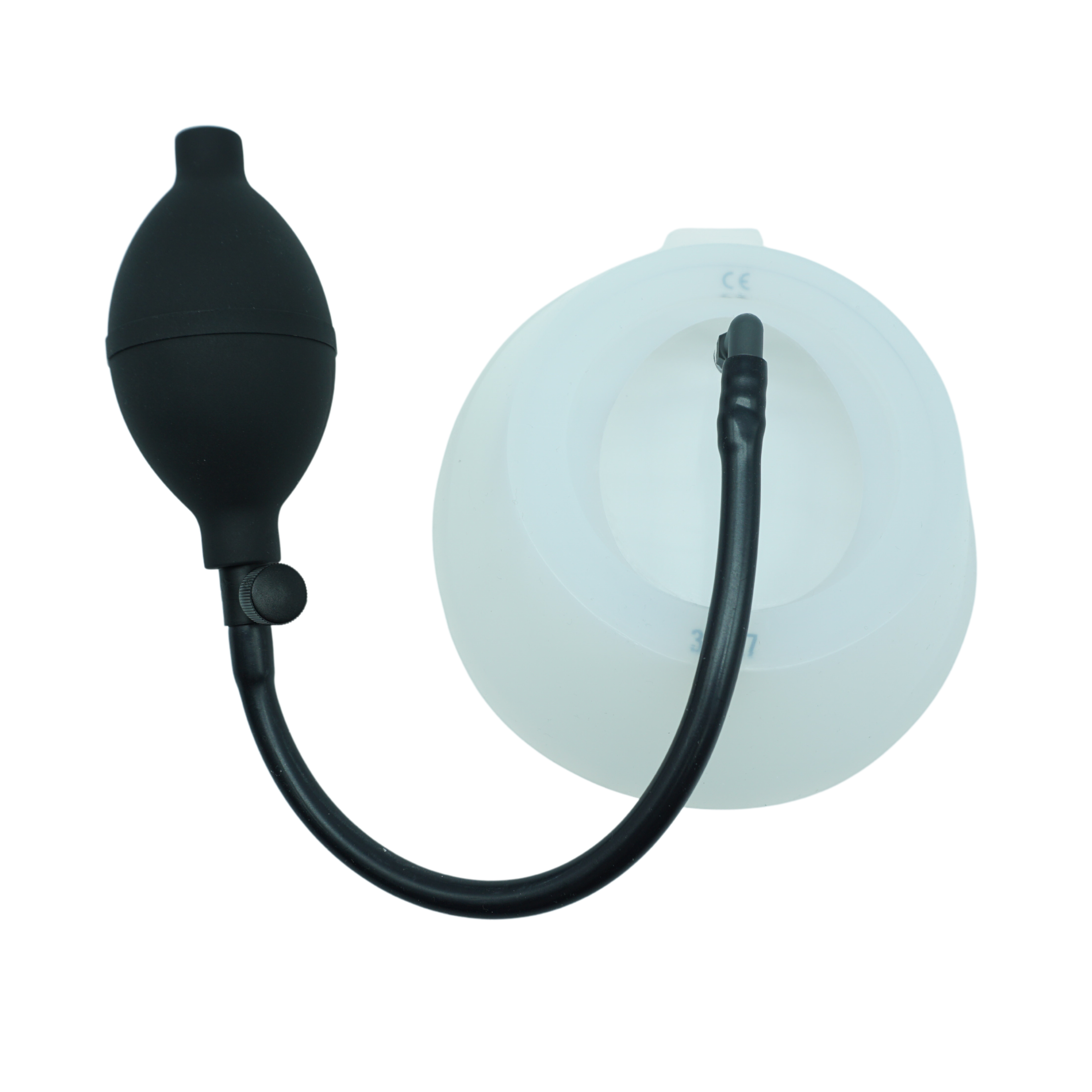
Mini Vacuum Bell (16 cm)
Patient profile: Pediatric patients, typically children taller than 105 cm (3’5”).
Purpose: Designed for small chests, ensuring a secure vacuum seal without protruding beyond the child’s body. Ideal as an entry-level device for young patients.
-
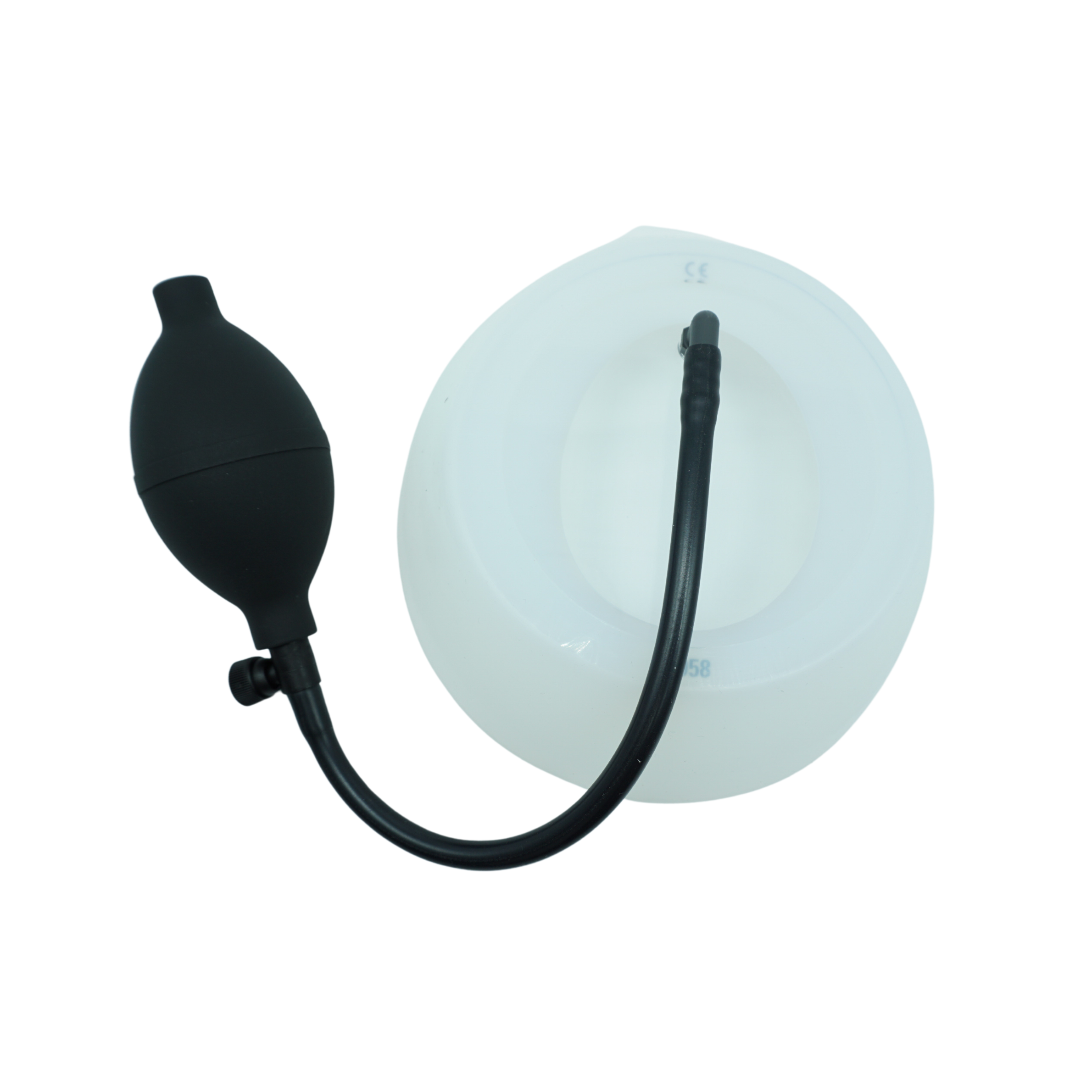
Standard Small Vacuum Bell (19 cm)
Patient profile: This is the most versatile and widely used size, generally suitable for patients taller than 140cm (4’7”).
Purpose: Provides a firm seal and effective leverage for typical thoracic shapes.
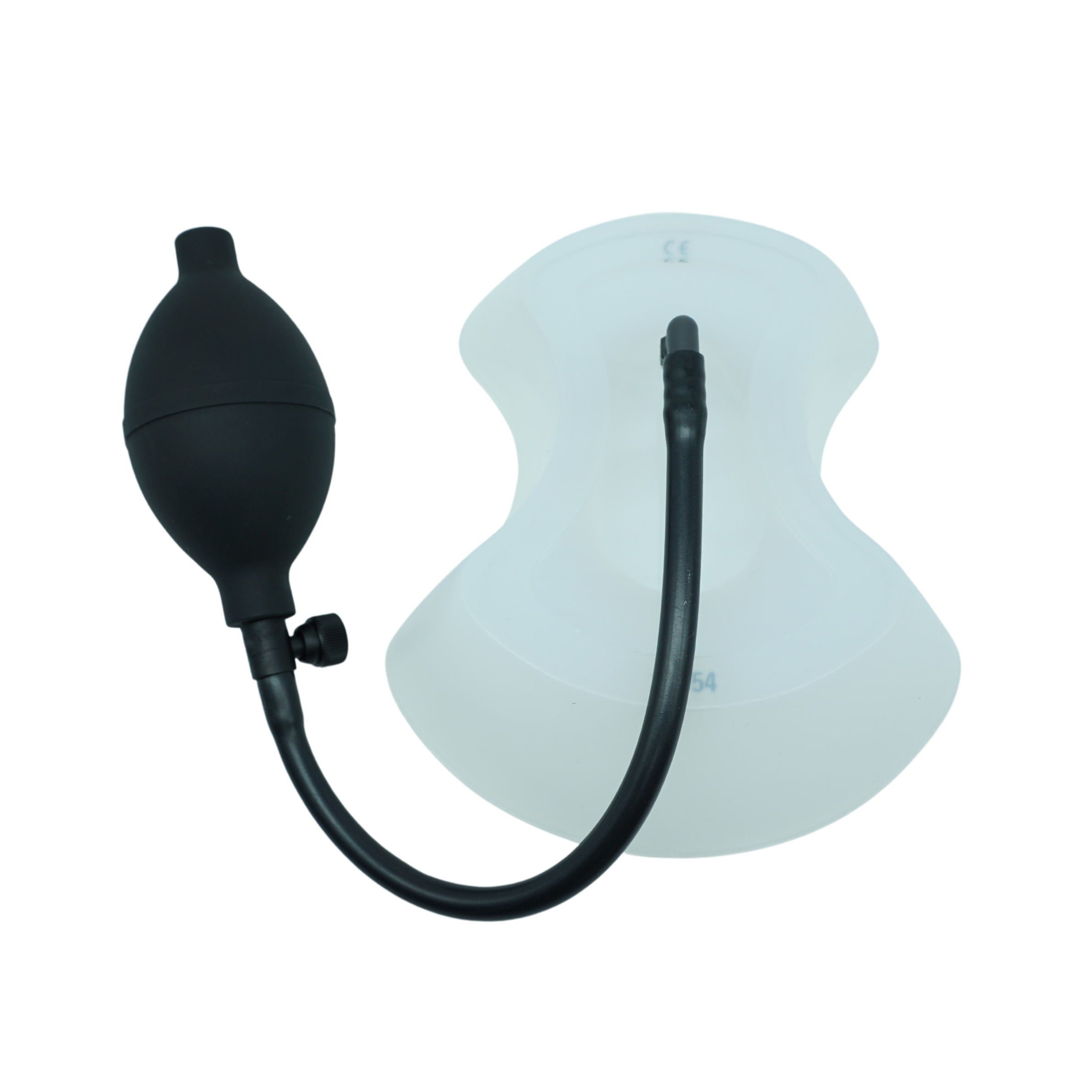
- Women’s Type (19 cm)
Special design: Laterally concave silicone rim to avoid pressure on breast tissue, preventing pain or tissue damage while maintaining effective chest elevation.
Compatibility: Usually suitable for women with bra cup sizes:
- A (EU) / 80 (ES/Latina)
- B (EU) / 85 (ES/Latina)
- C (EU) / 90 (ES/Latina)
-
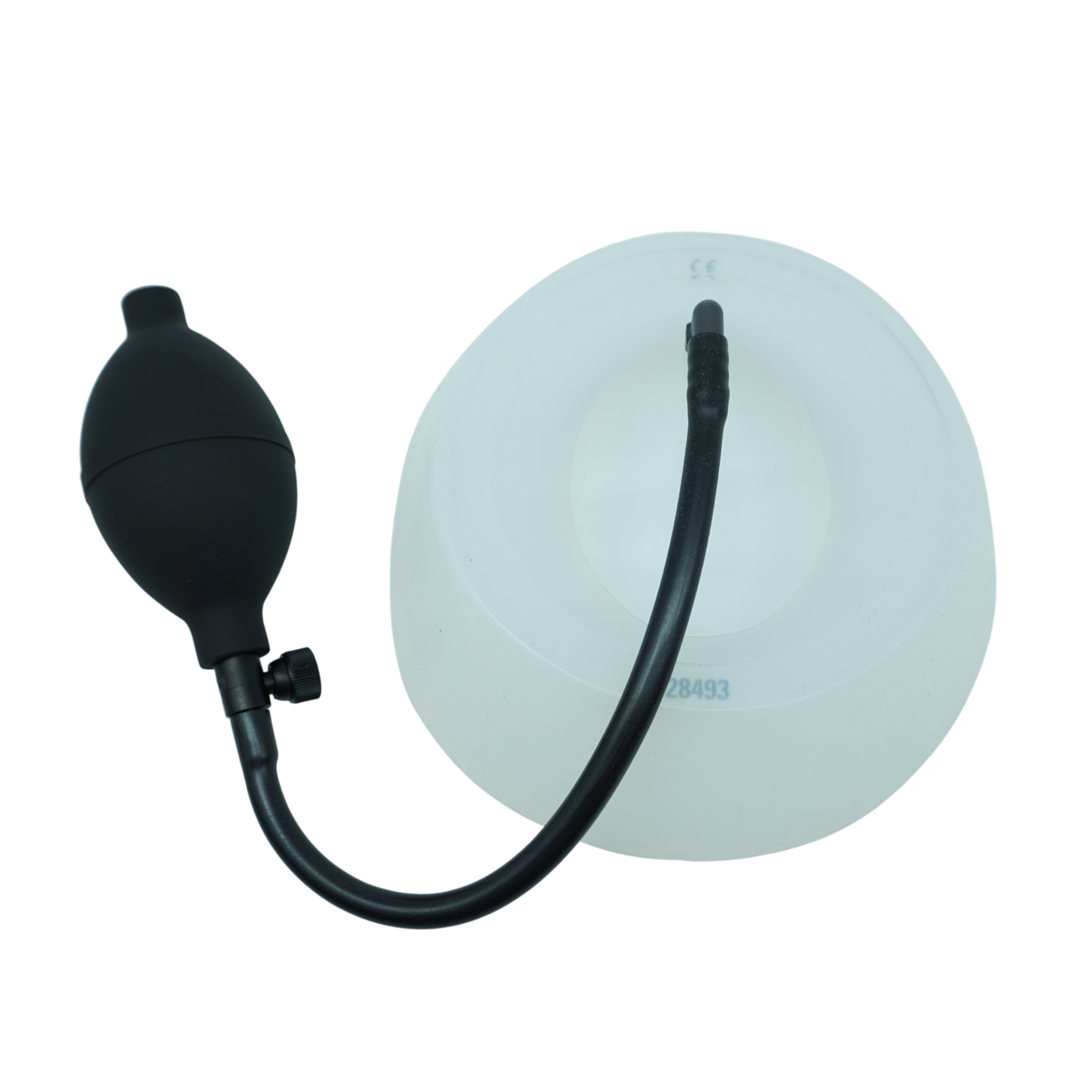
Bodybuilder Type (19 cm)
Special design: Thinner, softer lateral flanks to fit highly developed pectorals comfortably.
Purpose: Protects sensitive nipples and allows the device to be placed horizontally along the diaphragm line. This opens an anatomical pathway for effective lifting from the base of the chest.
-
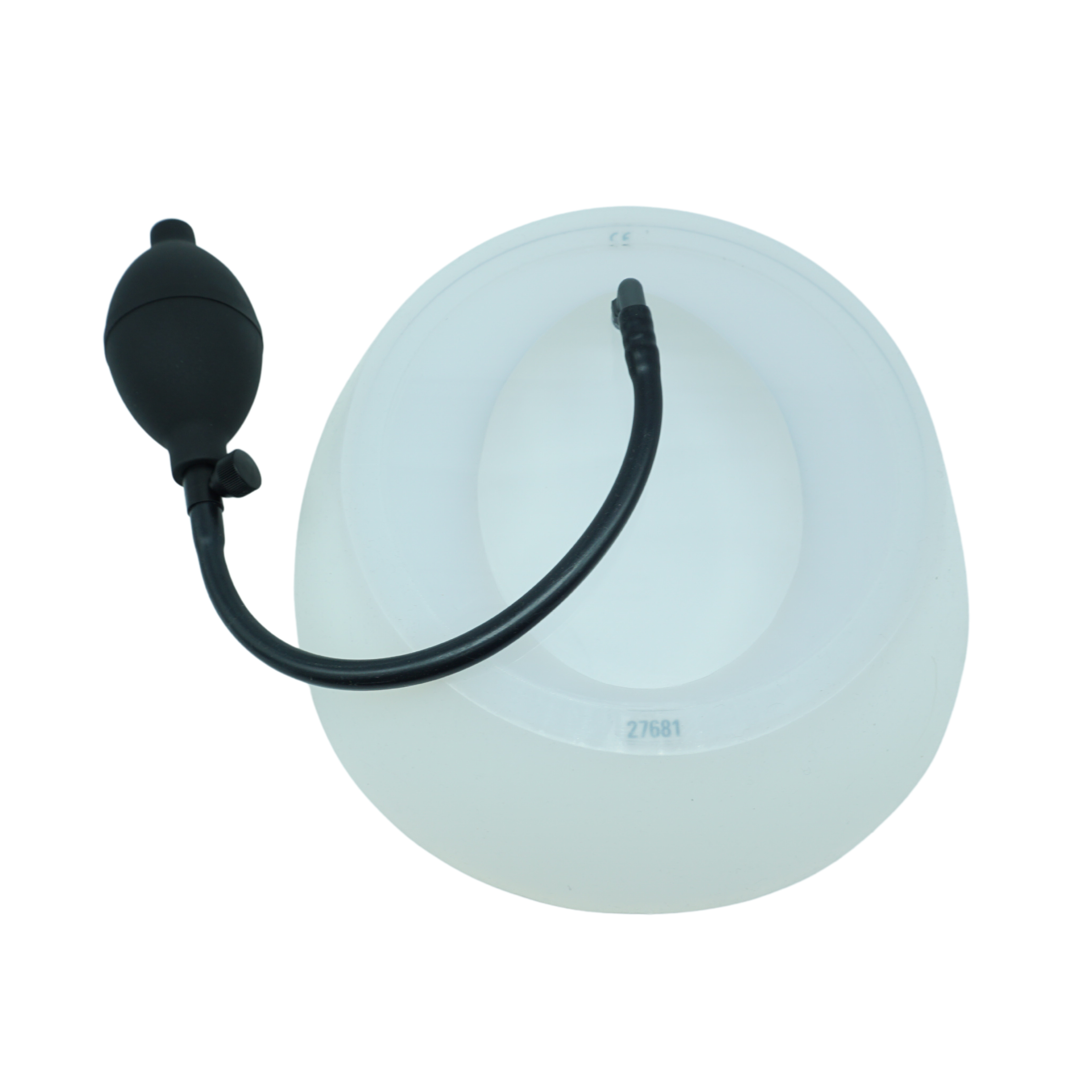
Large Vacuum Bell (26 cm)
Patient profile: Adults with wide thoraxes, mainly tall men over 170 cm (5’7”).
Purpose: Covers a larger chest surface, providing a solid base of support for lifting. Ideal when the 19 cm models are too small to achieve proper leverage.
How to Take Basic Measurements at Home
Before your medical consultation, you can perform a simple check at home. This is not a diagnostic tool, but it can help you have a more informed conversation with your specialist.
Step 1: Lie on your back
This position relaxes the abdomen and allows the true shape of the chest wall to be seen more clearly.
Step 2: Measure the distance between your nipples
Ideally, the Vacuum Bell should fit between the nipples without covering them, as this area is sensitive and prone to skin irritation.
In some adult cases, slight edge contact may be unavoidable, but it should never be the center of pressure.
Step 3: The paper template test
- Draw a 19 cm circle on paper and cut it out
- Place it on your chest while standing in front of a mirror
- Ask yourself:
- Does it fully cover the depression?
- Do the edges rest on firm, flat bone areas?
If yes, this size may be a reasonable reference point, subject to medical confirmation.
Why Medical Prescription Is Mandatory
You may find non-regulated or “DIY” versions of Vacuum Bell devices online. However, the official medical Vacuum Bell Eckart Klobe, used in hospitals and supported by clinical studies, requires a medical prescription.
A doctor ensures:
- No contraindications such as cardiac conditions, bone fragility, or clotting disorders
- Proper pressure control, avoiding damage to internal structures
- Treatment monitoring, with progressive adjustments in pressure and duration
Incorrect use or unregulated devices can cause real harm.
Want to Learn More About the Treatment?
We know this is a lot to take in, and every case of Pectus Excavatum is different.
If you would like to better understand how the technology works, review scientific publications, or explore treatment principles in more depth: Click here to access detailed information about Vacuum Bell therapy
Already Have a Diagnosis and Medical Prescription?
If your doctor has evaluated you, confirmed your correct size, and prescribed Vacuum Bell treatment, we can help you safely manage the acquisition of the official medical device. We will request the necessary information to validate your case and ensure you receive the correct and approved Vacuum Bell model.