The 6th Joint Meeting on Thoracic Surgery, held in Barcelona from November 20 to 22 , brought together over 400 thoracic surgeons from around the world, establishing itself as a landmark event in the field of thoracic surgery and oncology. The programme covered key topics such as the diagnosis, staging, and treatment of lung cancer through lectures, video forums, and educational seminars.
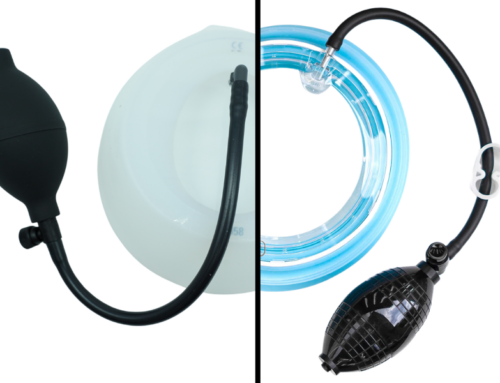
One of the most notable moments of the new edition of the Joint Meeting of Thoracic Surgery took place on Thursday at 7:00 a.m., during a session dedicated to Pectus Excavatum, also known as “Funnel Chest”. In this session, Dr Jorge Hernández, thoracic surgeon at the Hospital de la Santa Creu i Sant Pau in Madrid and the Quirón Hospital Group in Barcelona, presented the latest advances in the innovative Pectus Up technique for the correction of Pectus Excavatum and shared excellent clinical outcomes from his extensive experience.
The session was chaired by Dr Nicolás Moreno, thoracic surgeon at the Ramón y Cajal Hospital in Madrid, who also introduced presentations by Dr Mustafa Yüksel on the NUSS technique and Dr Jean-Pierre Chavoin on silicone implants. This panel provided a comprehensive comparison of different approaches to treating Pectus Excavatum, ranging from more invasive surgical procedures to aesthetic correction solutions to correct for this chest wall deformity.
The presentation of innovations and advances in the Pectus Up technique generated significant interest among attendees, highlighting its potential to expand the range of patients who can benefit from this innovative extrathoracic procedure. Recent developments have simplified and standardized the procedure , enhancing both professional training and patient outcomes.
Innovations in Pectus Up Presented at the 6th Joint Meeting on Thoracic Surgery
One of the most notable advances is the introduction of titanium as an implant material, offering an ideal solution for patients with allergies or sensitivities to other metals. This progress underscores the commitment of Ventura Medical Technologies, the developer and manufacturer of Pectus Up, to continuous improvement of the technique. The active participation of international experts with extensive experience in the treatment chest wall deformities has been instrumental in refining the procedure.
The global impact and future potential projections of the technique was evident throughout the three-day event. Ventura Medical Technologies conducted hands-on demonstrations that attracted numerous surgeons interested in adopting Pectus Up in their countries. Surgeons from various regions expressed a strong commitment to introduce the technique into their local markets, reinforcing its growing global presence.
Currently, in addition to significant expansion in Europe, the technique is gaining traction in Asia, Africa, South America, and Oceania, while awaiting FDA approval in North America.
The prominent presence of Pectus Up at the event reaffirms its growing influence within the medical community and its potential to set a new standard and lead the change to revolutionize the treatment of Pectus Excavatum worldwide.